Objective:
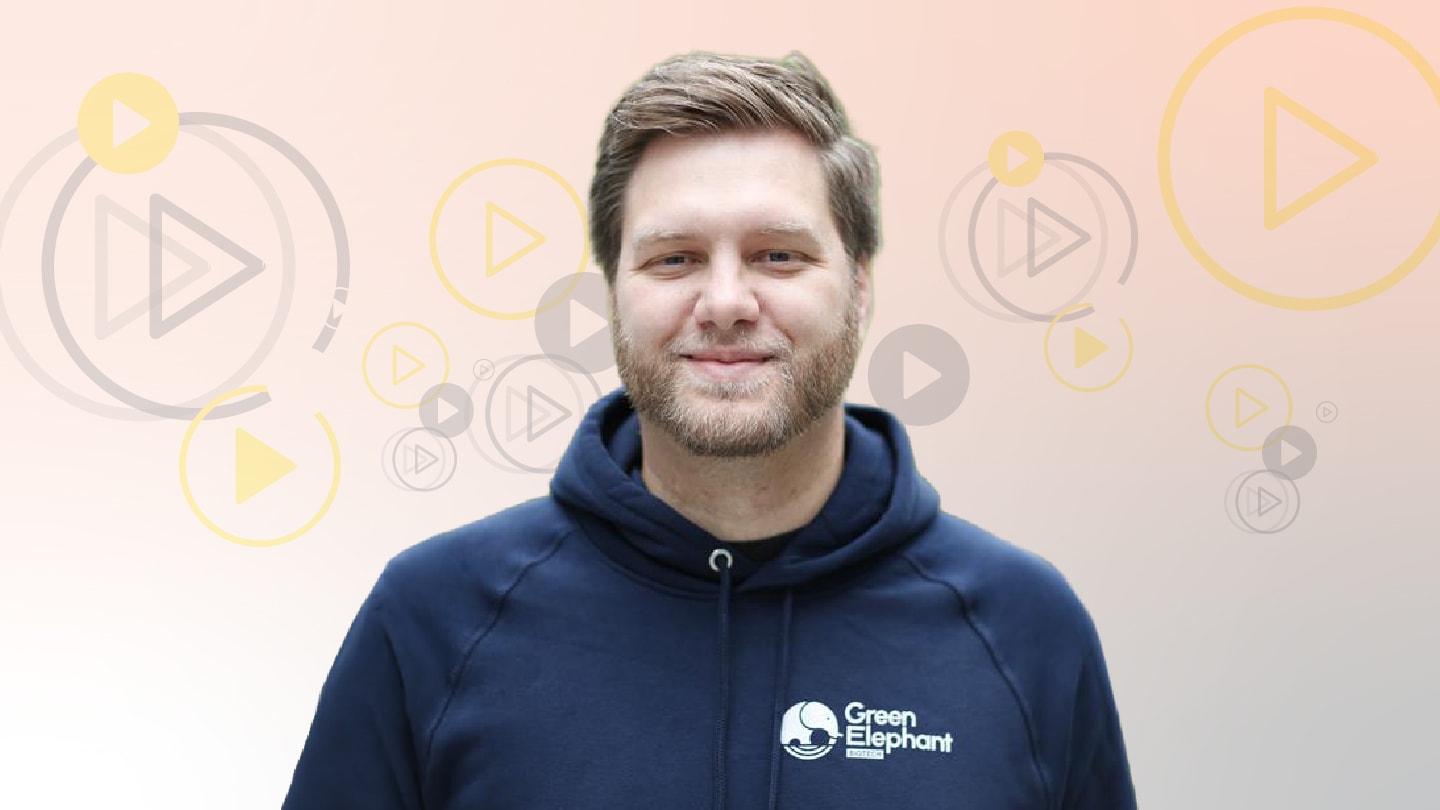
The article presents Alexander Seyf’s views on AI adoption in advanced therapy manufacturing, including the need for digitization and connected data, potential applications, and the role of human oversight.
Approach:
- Current adoption: Seyf distinguishes industry interest and experimentation from routine operational use, which he says remains limited.
- Readiness: He argues manufacturers should digitize paper-based processes, connect siloed information, and establish reliable, contextualized data before pursuing prediction and orchestration.
- IKEA example: Seyf points to IKEA’s use of AI for repetitive cognitive tasks to free employees for customer-facing work, rather than treating AI primarily as a way to replace people.
Key Findings:
- Seyf says AI and machine learning are being explored in process analytics, predictive modeling, imaging, process development, documentation, and knowledge retrieval, but are not yet deeply embedded in routine GMP manufacturing.
- He argues that personalized therapies may particularly benefit from intelligent digital systems because their logistics involve coordinating collection, transport, capacity, personnel, materials, equipment, testing, and chain of custody and identity.
- Seyf reports approximately 65–70% efficiency gains from using a digital platform for electronic batch records and around 75% from an AI service converting SOPs and paper records into electronic batch records.
- He says an electronic batch record study with Cell and Gene Therapy Catapult reduced faults by around 90%, with remaining faults described as spelling mistakes.
- Seyf warns that generative AI can produce convincing but unreliable answers and says trust should be assessed for each specific task and its controls.
Interpretation:
The interviewee’s position is that AI adoption should follow foundational digitization and data integration, with systems assigned bounded tasks and human decision-making retained according to risk.
Limitations:
- The efficiency and fault-reduction figures are reported by Seyf; the provided text does not give study methods, sample sizes, or independent validation.
- The source is an interview with Autolomous CEO and co-founder Alexander Seyf, not a systematic assessment of industry-wide adoption or AI performance.
- The provided article text ends mid-sentence during Seyf’s discussion of potential efficiency gains.
Conclusion:
Seyf argues that advanced therapy manufacturers should digitize processes, connect and contextualize data, and apply AI to appropriate tasks while retaining human oversight according to risk.
Sources:
This content is an AI-generated, fully rewritten summary based on a published scholarly article. It does not reproduce the original text and is not a substitute for the original publication. Readers are encouraged to consult the source for full context, data, and methodology.