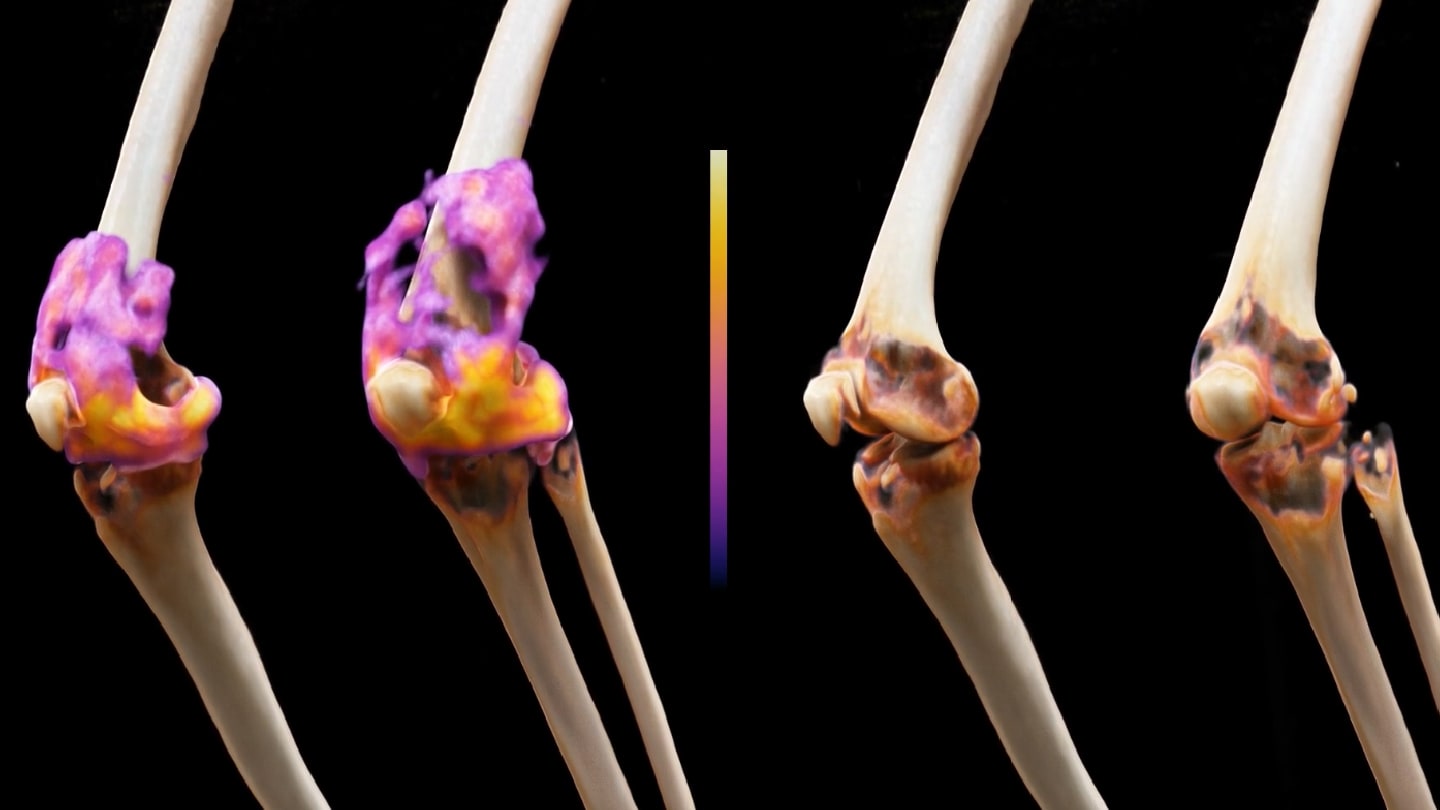
A single infusion of CD19 CAR T cells reduced disease activity in six patients with severe, treatment-refractory rheumatoid arthritis, according to results from the first clinical trial of the approach in the disease.
Three participants remained in remission without rheumatoid arthritis medication during follow-up, which ranged from 36 to 52 weeks. However, the small, open-label phase I study was designed primarily to assess safety and cannot establish efficacy.
The COMPARE trial, conducted at Charité – Universitätsmedizin Berlin, evaluated mivocabtagene autoleucel, an autologous CD19-directed CAR T cell therapy. The three women and three men, aged 31–69, had longstanding seropositive rheumatoid arthritis and had previously received between three and eight targeted or biologic disease-modifying therapies.
Following lymphodepleting chemotherapy, each participant received a single infusion of 100 million CAR T cells. The treatment depleted CD19-positive B cells from the blood and from tissues including bone marrow, lymph nodes, and joints.
Disease activity scores declined in all six participants, with a median reduction of 49 percent at week 24 and 34 percent at the latest follow-up. Four achieved clinical remission; three maintained remission without disease-modifying drugs or glucocorticoids. One participant relapsed after 31 weeks of drug-free remission, while two experienced clinical improvement without reaching remission.
“This is particularly remarkable given that none of the established treatments had previously been able to relieve their symptoms adequately,” said Gerhard Krönke, who leads a joint research group at Charité and the German Rheumatology Research Center, in a press release.
Levels of rheumatoid arthritis-associated autoantibodies also fell sharply. Anti-mutated citrullinated vimentin antibodies declined by a median of 94 percent, with four participants becoming seronegative. Antibodies generated by previous vaccinations were largely preserved, although longer follow-up is needed to understand the treatment’s effects on protective immunity.
All six participants experienced grade 1 or 2 cytokine release syndrome, which resolved following treatment. No severe cytokine release syndrome, immune effector cell-associated neurotoxicity syndrome, or serious adverse events were reported. Cytopenias occurred in all participants, partly as a result of lymphodepletion, and late neutropenia was recorded in three.
The study will now proceed to a randomized phase II stage involving ten additional patients. CD19 CAR T therapy will be compared with rituximab, an approved B cell-targeting treatment, to examine whether it produces deeper or longer-lasting responses.
Newsletters
Receive the latest pharmaceutical news, personalities, education, and career development – weekly to your inbox.