“I’ve been working in pharmaceutical science for more than 30 years, and I’ve been involved in developing some commercial drug products. But this one project is something I’m especially proud of. Through the knowledge we brought and the collaboration with our consortium partners, we created something that can help save millions of African children (aged three months to six years) in the future. As a pure pharmaceutical scientist, that’s one of the happiest and most meaningful outcomes of my career.” – Hiroyuki Kojima, Astellas
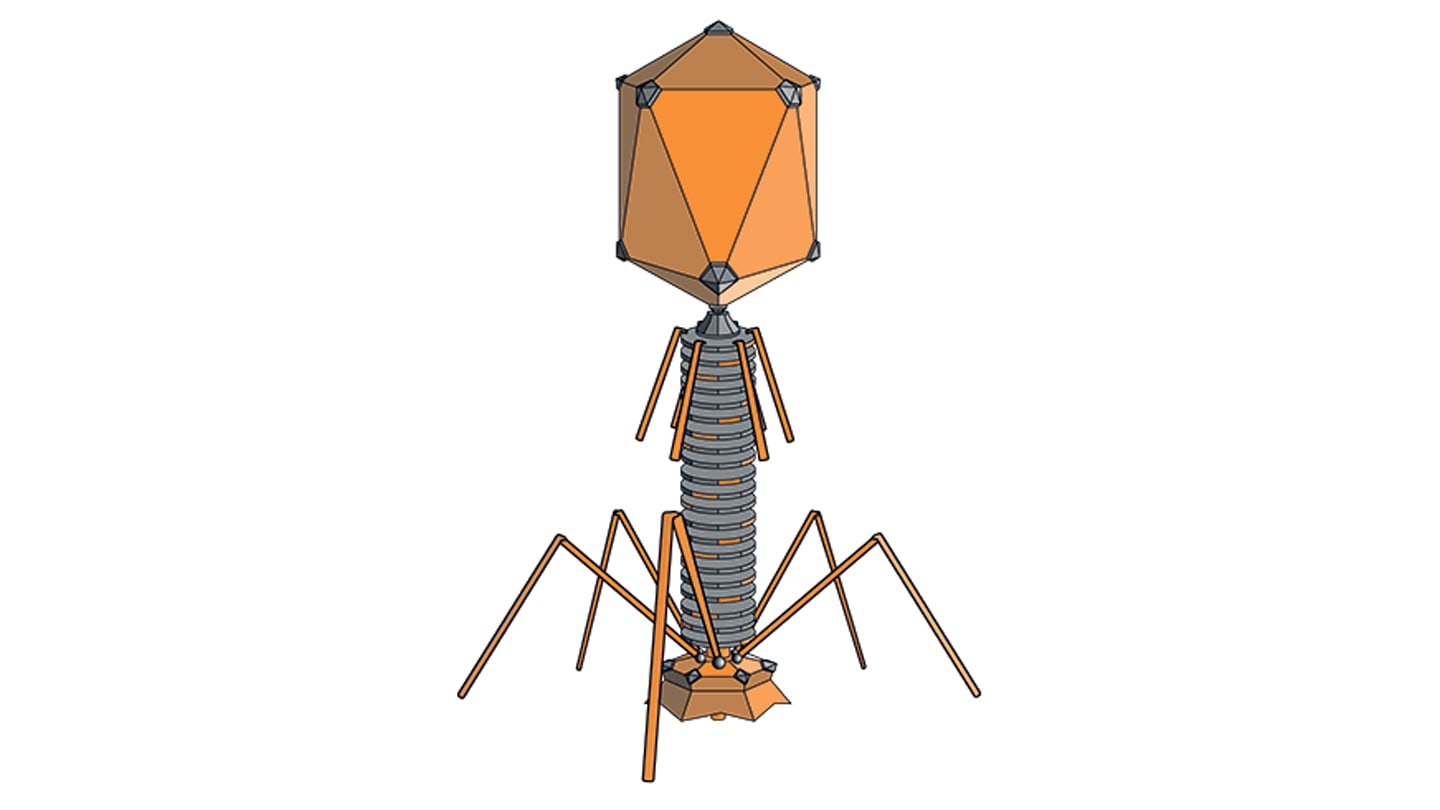
Schistosomiasis is a parasitic disease that can cause chronic inflammation and progressive organ damage. In children, it can lead to impaired growth and cognitive development. Repeated exposure to contaminated water often results in long-term or recurrent infection, contributing to significant public health and economic impacts in affected regions.
Praziquantel is an effective treatment suitable for school-aged children and adult; a tailored child-friendly formulation was instead needed for preschoolers.
In July 2012, the Pediatric Praziquantel Consortium launched. Initial members included TI Pharma, now Lygature (The Netherlands), Merck (Darmstadt, Germany), Astellas Pharma (Japan) and the Swiss Tropical and Public Health Institute. A new formulation developed for preschool-aged children received a positive scientific opinion from the EMA in December 2023, WHO prequalification in May 2024 and was inserted into the WHO Essential Medicine List in September 2025. The first children were treated in March 2025 in Uganda and the consortium was nominated for a 2025 Prix Galien Bridges Award in the “Best Public Sector Innovation” category by the Prix Galien Foundation.
For Hiroyuki Kojima, Senior Vice President, Head of Product Excellence at Astellas Pharma, the project has been a defining experience. Developing a formulation suitable for infants and toddlers required new approaches – and the final result is contributing to save the lives of children.
Here, Kojima discusses the technical hurdles, collaborative dynamics, and profound personal meaning behind the project.
What is your background?
Hiroyuki Kojima: I’ve been with Astellas for about 25 years. Until the end of September 2025, I was leading Pharmaceutical Research Laboratories. Under my leadership, we had around 120 pharmaceutical scientists and staff working in the research laboratories. Now, I am the Head of Product Excellence, Product Development and Manufacturing and I report to the Chief Manufacturing Officer.
In addition to my role at Astellas, I also teach students about many fascinating areas within pharmaceutical sciences. I’m a visiting professor at the University of Shizuoka and a visiting associate professor at two other universities in Japan: Pharmaceutical Sciences at Kyushu University and Engineering at Kobe University.
How did Astellas get involved with the Pediatric Praziquantel Consortium?
During a scientific conference in Europe, members of our clinical development team happened to sit next to people from Merck.
Merck had already been working on the project, and felt to join forces for leveraging pharmaceutical drug product capability. Astellas had a lot of experience applying sophisticated pharmaceutical technologies to its medicines, as well as expertise in lifecycle management and product optimization. Following the initial conversations, one of our colleagues from clinical development reached out to our laboratories – and we started detailed discussions about how Astellas could contribute to the project.
At the time, Astellas was also looking to expand its activities related to corporate social responsibility, including initiatives to improve access to health. Both from a technical collaboration perspective and from a CSR perspective, the partnership aligned very well.

What was the problem with existing schistosomiasis treatments and why they were unsuitable for preschoolers?
Schistosomiasis is a major neglected tropical disease. The numbers are enormous. Around 800 million people are at risk and about 250 million are actually infected (1). [SG2] If I recall correctly, more than 200,000 people die from schistosomiasis every year – most of whom are very small children.
Praziquantel is the standard of care treatment for schistosomiasis in school-aged children and adult. A single dose can work very well. However, there are several practical challenges. One is that the tablets are very large (about 23 mm) so small children cannot swallow them. Caregivers often try to crush the tablets into powder, but the drug has an extremely bitter and unpleasant taste. Even adults struggle to swallow it because of how bad it tastes. So, although one dose can cure the disease, in practice, treatment for small children is very difficult. In addition, there were no clinical data or official evidence for use in preschool-age children. In other words, praziquantel may have been used off label for small children without precise dosing and established clinical proof of safety and efficacy in that group.
What were the biggest challenges you faced in developing the new dosage form?
First of all, Astellas had limited prior experiences in developing pediatric-specific medications on its own. Of course, in the past ten years or so, the industry has changed. Developing pediatric medicines has become mandatory, especially in Europe. However, this was not the case back in 2011. Like so many other pharmaceutical companies, we had very limited experience with pediatric drug development.
Taste was a huge challenge. Taste sensitivity varies from person to person, and even between populations. For example, Asian, African, and European people can all perceive bitterness differently. For small children, it’s even more complicated. From a regulatory standpoint, “pediatric” covers everyone from newborns to 18-year-olds – a huge range in terms of physiology and sensory development. The Consortium project was targeting children three months old and up to six years of age – but we had no clear ideas at first about how to design a formulation that would have an acceptable taste for such young children, or how to control the bitterness effectively.
We did, however, have experience developing sophisticated lifecycle management drug products, such as orally disintegrating tablets with taste-masking technologies, but these technologies are quite complex, requiring specialized equipment and manufacturing processes. We realized early on that this approach wouldn’t be suitable because third-party or consortium partners would ultimately need to manufacture the tablets in very large quantities at a very low cost.
We had to find a way to make production simple, inexpensive, and scalable, while still minimizing the bitterness. Those were generally conflicting goals because bitterness control usually means complexity.
In the beginning, we developed mini tablets coated with polymers to control drug dissolution. We completed the formulation development successfully, but the proposal was rejected by African clinical experts because of potential safety concerns.
So, we went back to the drawing board. We redefined the Quality Target Product Profiles through extensive discussions with our consortium partners, including key stakeholders and clinical experts in Africa, to determine the most appropriate dosage form.
Finally, we developed a prototype of an orally disintegrating tablet (ODT) at that time.
Why were concerns raised about using mini tablets?
For very small children, such as those around three or six months old, there is a potential risk of choking, especially as babies may move suddenly while being given the medicine.
Another challenge was dosing. Depending on the child’s weight or age, the required dose could vary a lot. Since each mini tablet is extremely small, the number needed could be five, ten, or even fifty tablets. This would make dosing very difficult, especially in mass-treatment settings. For example, in some villages in Africa, treatment campaigns are organized with ad hoc teams or village health champions. Hundreds of people may be waiting in line, with physicians diagnosing and distributing treatment. In that kind of environment, precisely counting and adjusting doses for each child based on age or weight becomes impractical when dealing with so many mini tablets.
Did you also face development challenges because of the tropical climate?
Yes. Generally speaking, pharmaceutical companies must ensure product quality throughout the entire shelf life. Typically, a minimum of two to three years’ stability is required, but for this kind of mass-treatment medicine, the longer the better. Distribution can be difficult, and a medicine may sit in storage for months or even years before use.
From the beginning, our target was to achieve at least two to three years of shelf life. In Africa, depending on the country or region, the climate can be extremely hot and humid. That means stability and quality assurance were critical factors. We carried out extensive formulation screening to identify the most stable formulation, while also minimizing bitterness and keeping production cost-effective. Balancing all those factors was quite a challenge.
Eventually, we found a promising prototype formulation. Since this was a consortium project, my team at Astellas was primarily responsible for the formulation work. Once we had developed the prototype, we handed it over to our consortium partners, who further optimized it before moving toward commercialization.
It can be hard to bring companies together to collaborate. What were the challenges you faced in this regard?
We learned a lot from this experience. We were working across many different cultures, with different perspectives and different approaches to project management. That was a great learning exercise.
In addition, the more stakeholders you have involved, the harder it becomes to reach alignment or build consensus. This was one of the more difficult aspects. For example, as I mentioned earlier, after completing our first formulation trials, all of our efforts were rejected by the consortium partners, which led to very extensive discussions.
However, the key point is that the ultimate goal of the consortium members was always the same: to deliver a truly effective medicine for African preschool-aged children. That shared goal never changed. So, when conflicts arose, they were not about ego or competition, but came from different perspectives on how to make the overall strategy stronger.
There was always mutual respect and a genuine effort to understand each other. I think that spirit of shared purpose and open communication was one of the most important success factors for the consortium.
How did you feel when the therapy was approved?
For me personally, there were two significant milestones.
The first was in 2023 when we received the positive scientific opinion from EMA. That moment made me extremely happy – it was a fantastic outcome!
As a formulation scientist, the results of the palatability clinical trial were also very important to me. In this study, the new formulation was tested with children aged six to twelve years.. The fact that those children accepted our proposed formulation was wonderful news and absolutely critical. Without confirming acceptability, we could never have moved forward. We all hoped the children would accept it, but honestly, no one could be sure until the study was done! We were quite nervous while we waited for the results. When the outcome came back positive, it was a huge relief and a moment of real joy.
I’ve been working in pharmaceutical science for more than 30 years, and I’ve been involved in developing many commercial drug products. But this one project is something I’m especially proud of. Through the knowledge we brought and the collaboration with our consortium partners, we created something that can help save millions of African children in the future. As a pure pharmaceutical scientist, that’s one of the happiest and most meaningful outcomes of my career.
What lessons did you learn about developing pediatric medicines?
When the project began, developing pediatric medicines was not yet mandatory, but the regulatory environment was starting to change. In Europe and the US especially, pharmaceutical companies were beginning to be required to develop pediatric formulations.
We learned a great deal about the fundamental approaches, including what key aspects to consider when defining the product profiles for pediatric populations. That experience helped us enormously. In fact, we later succeeded in developing and commercially launching pediatric products within our own pipeline. The Consortium program indirectly contributed to that success.
In that sense, it had a very positive impact on our internal development activities. The lessons we learned strengthened our capabilities and confidence in pediatric formulation development for other medicines.
Also, in Japan, my team members are now taking leadership roles in academic–industry collaborations for pediatric pharmaceutical development. That is another great outcome. In Japan, pediatric development is still not as advanced as in some other regions, but our team and company are helping to lead the way by educating others and driving progress in this important area.
That is one of the most meaningful additional outcomes of this project for me.
Any final reflections on the project?
This achievement was only possible because of the strong collaboration and support from all the consortium members and funding partners.
It was a very long journey. When Astellas joined the consortium, we thought it might take two to three years, but it took more than a decade. Over that time, many consortium partners contributed. When we first started, there were only four partners, including Astellas. Some partners eventually completed their involvement, and new ones joined along the way. If I recall correctly, there are now about eleven consortium partners still working together. It shows the remarkable commitment of everyone involved, and I want to express my sincere appreciation to all the consortium partners, funding organizations, and everyone who supported this project. I truly believe that if even one partner had been missing, we wouldn’t have achieved this outcome.
The Burden of Schistosomiasis
Schistosomiasis is a parasitic disease caused by trematode worms of the genus Schistosoma. Transmission occurs when people come into contact with freshwater contaminated by larval forms released by snails. Because infection happens during routine activities such as washing, fishing, swimming or collecting water, exposure is frequent in areas without safe water infrastructure.
Once inside the body, the parasites migrate through the bloodstream and mature in the blood vessels surrounding the intestines or urinary tract. Some of the eggs will be passed out through faeces or urine, continuing the parasite’s lifecycle.
Adult worms can live for years, continuously producing eggs, and can cause immune reactions and progressive damage to organs. Kidney damage, fibrosis of the bladder and ureter, and an enlarged liver may occur in advanced cases. In children, the cumulative effects can be significant, including reduced physical stamina, impaired nutrient absorption, slowed growth, and measurable impacts on cognitive performance and school participation. Chronic schistosomiasis also increases susceptibility to other infections and, in adults, can lead to long-term complications such as infertility or elevated cancer risk.
Controlling the disease is challenging because reinfection is common, even after successful treatment, unless underlying environmental conditions change. Transmission dynamics depend on water use, sanitation, snail ecology, and local public health infrastructure. According to the World Health Organization, at least 251.4 million required preventative treatment for schistosomiasis in 2021. The disease is prevalent in tropical and subtropical areas, with most cases being seen in Africa.
The Power of Collaboration
Consortium partners
• Merck (Germany) –development lead (preclinical, clinical, regulatory, manufacturing) and program sponsor
• Astellas Pharma (Japan) – pediatric formulation development and clinical expertise
• Swiss Tropical and Public Health Institute (Switzerland) – research, epidemiology, clinical trial expertise and implementation research
• Lygature (The Netherlands) – consortium coordination and governance
• Farmanguinhos (Brazil) – production and distribution expertise
• Unlimit Health (UK) – implementation and health systems support
• Kenya Medical Research Institute (Kenya) – epidemiology and clinical trial expertise
• Université Félix Houphouët-Boigny (Côte d’Ivoire) – clinical trial partner
• Technischen Universität München (Germany) – interdisciplinary NTD expertise
• African Institute for Health and Development (Kenya) – research and implementation support
• Ministry of Health, Côte d’Ivoire – national program partner
Additional collaborators
• Ministry of Health, Kenya – vector-borne disease program support
• Ministry of Health, Uganda – NTD program support
• Makerere University School of Public Health (Uganda) – research and health systems collaboration
The Consortium is financially supported by Merck; in-kind contributions from the Consortium’s partners; and grants from the Bill and Melinda Gates Foundation (2012), the Global Health Innovative Technology Fund (GHIT) (2014, 2015, 2016, 2019 & 2020), and the European & Developing Countries Clinical Trials Partnership (EDCTP) (2018 & 2021), under its second program supported by the European Union.[SG3]
Newsletters
Receive the latest pharmaceutical news, personalities, education, and career development – weekly to your inbox.
References
- https://www.who.int/news-room/fact-sheets/detail/schistosomiasis